Stormwater Operations Specialists
Stormwater Operations Specialists
Stormwater management refers to the systems, structures, and practices designed to safely collect, convey, treat, and release stormwater runoff. These systems protect properties, infrastructure, and downstream waterways by controlling the volume, flow, and quality of stormwater generated during rain events.
Common components include detention and retention ponds, drainage ditches, culverts, storm drains, bioretention areas, and easements that provide access for maintenance and utilities.

Stormwater management is essential for maintaining clean water supplies and mitigating flooding. In our operations at Stormwater Operations Specialists in Clayton, USA, we focus on innovative strategies designed for effectively capturing and utilizing stormwater runoff. This practice not only helps protect local ecosystems but also improves the overall resilience of communities. By implementing advanced stormwater management techniques, we ensure that water is managed sustainably, effectively reducing the risk of erosion and pollution. Our team collaborates with landscapers, pond contractors, and landscape designers to create solutions that are compliant with environmental regulations. Join us in discovering the importance of proper stormwater management practices that not only meet regulatory requirements but also help cultivate a healthier environment for future generations.
Understanding the significance of stormwater management is crucial for environmental health. As urban areas expand, the need for effective stormwater management becomes more pronounced.
Properly managed stormwater not only aids in flood prevention but also plays a vital role in protecting our water quality and preserving our natural habitats. Flood prevention is one of the primary reasons stormwater management is essential. Excessive stormwater runoff can overwhelm drainage systems, leading to severe flooding that can damage property and endanger lives. By implementing effective stormwater management practices, we can mitigate these risks and help communities remain safe during heavy rainfall events.
Additionally, stormwater management directly impacts water quality. Contaminated runoff can carry pollutants such as oils, chemicals, and heavy metals into our rivers, lakes, and streams, degrading aquatic ecosystems and posing public health risks. With proper strategies in place, we can filter and treat stormwater, ensuring it is safe before it enters natural water bodies.
Beyond flood control and water quality, stormwater management is vital in protecting natural habitats. Urban development often disrupts local ecosystems, but thoughtful stormwater solutions can enhance and restore habitats, promoting biodiversity and environmental resilience. Incorporating green spaces, rain gardens, and permeable surfaces not only aids in stormwater management but also creates more livable communities. Moreover, the integration of effective stormwater strategies is essential for urban planning and community well-being.
By prioritizing stormwater management, communities can create sustainable environments that balance growth with ecological stewardship, ultimately enhancing the quality of life for residents. At Stormwater Operations Specialists, we are committed to providing innovative solutions that address these critical issues, ensuring a healthier planet for future generations.
Effective stormwater management is essential for protecting both built and natural environments. When systems are properly maintained, they help:
• Reduce flooding and erosion
• Prevent damage to buildings, pavement, and landscaping
• Improve water quality by capturing sediment and pollutants
• Support compliance with local, state, and federal regulations
• Maintain the long‑term functionality and safety of the site
For commercial properties, reliable stormwater performance directly impacts liability, operational continuity, and asset value.
Flooding due to unmanaged stormwater is a pressing issue that affects communities nationwide. Stormwater management practices such as stormwater basins, swales, and retention ponds help to control runoff, decreasing the likelihood of floods. By strategically designing these systems, we can protect homes, roads, and infrastructure from storm damage.
Stormwater can carry various pollutants into nearby water bodies, harming aquatic life and public health. Through the implementation of best management practices (BMPs), we can capture and treat stormwater runoff before it contaminates our streams and lakes. This not only protects ecosystems but also contributes to cleaner drinking water for communities.
Healthy ecosystems are integral to our environment, and stormwater management plays a significant role in habitat preservation. By using green infrastructure techniques such as bioswales and native plant landscaping, we can create environments that support diverse wildlife and mitigate the impacts of urbanization.
Integrating effective stormwater management strategies into urban planning is crucial for developing sustainable communities. By making informed decisions that consider stormwater practices, we can build infrastructures that not only manage runoff but also enhance the overall quality of life, making our cities more resilient and adaptable to changing weather patterns.
At Stormwater Operations Specialists, we focus on innovative solutions to manage excess water effectively. In this section, we explore the most common types of stormwater infrastructure—retention ponds, drainage systems, and rain gardens. Each of these systems plays a crucial role in mitigating the impacts of stormwater runoff. It's essential to not only understand how these systems function but also to recognize the importance of regular maintenance to ensure optimal performance and longevity.
Stormwater systems vary by site, but most properties include one or more of the following:
• Detention and retention ponds – control runoff volume and release rates
• Storm drains, culverts, and pipes – move water through the system
• Swales and ditches – convey water while reducing flow velocity
• Bioretention cells and rain gardens – filter stormwater through engineered soils
• Easements and access corridors – ensure safe entry for maintenance and emergency response
• Proprietary treatment devices – provide enhanced pollutant removal
Each component requires routine inspection and maintenance to perform as designed.
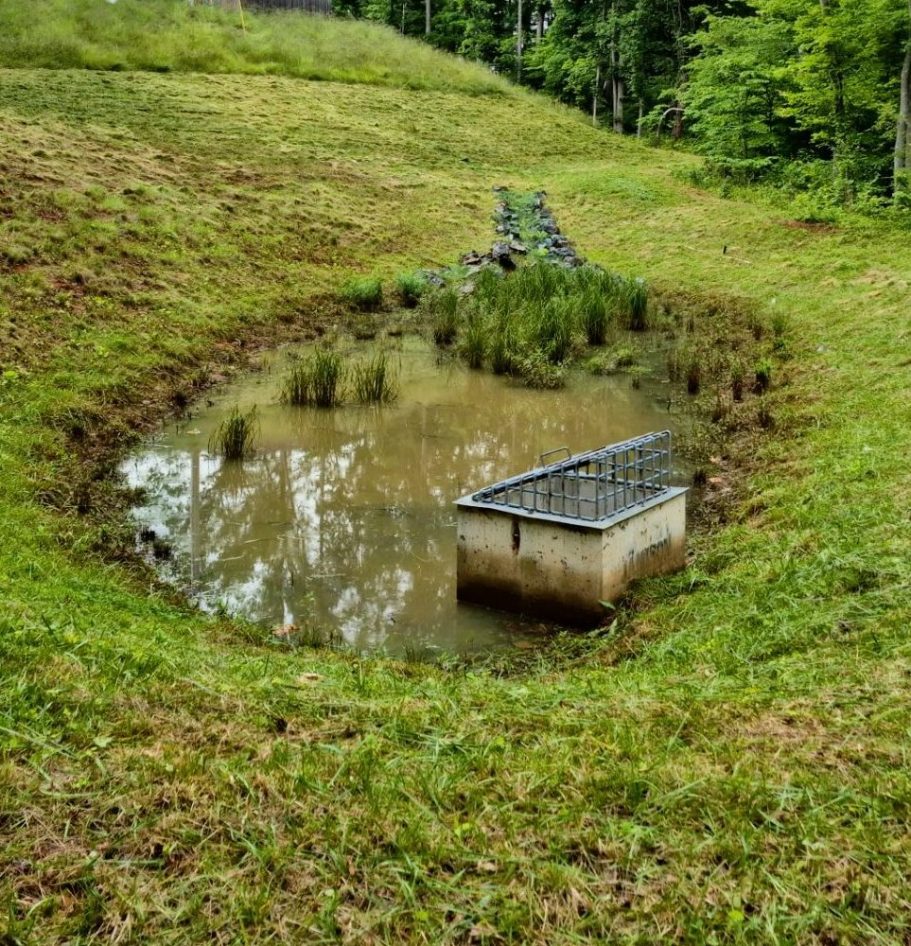
Retention and detention ponds are essential tools in stormwater management. Retention ponds maintain a permanent pool of water and help improve water quality by filtering pollutants and supporting local ecosystems. Detention basins, on the other hand, temporarily hold stormwater during rain events and release it slowly to reduce peak flow and prevent flooding in developed areas
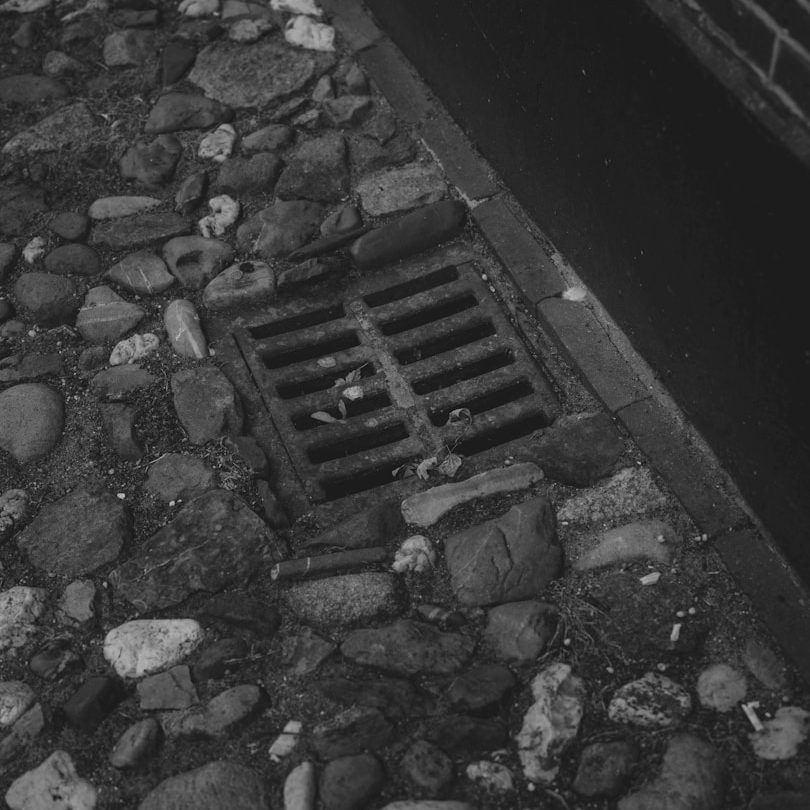
Drainage systems consist of pipes, channels, and ditches that direct stormwater away from roads and properties. These systems are vital for minimizing water pooling and preventing damage to structures. Regular cleaning and maintenance are required to keep these systems functional and prevent blockages that can lead to flooding.
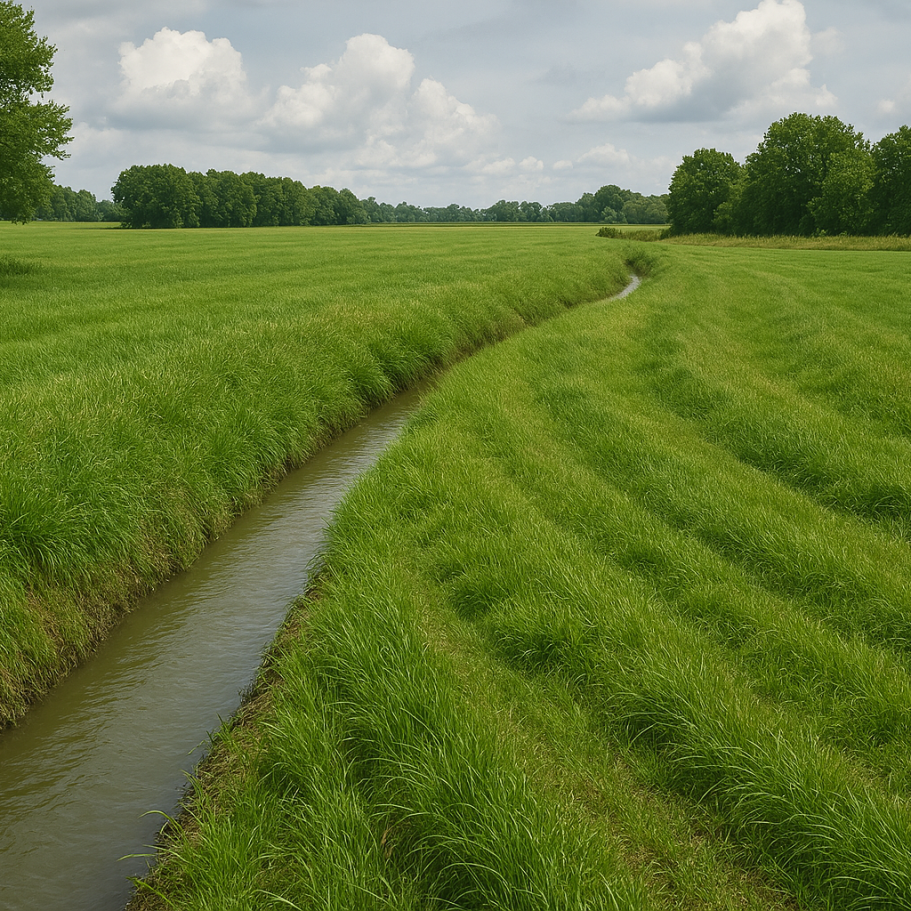
Swales and ditches are shallow, open‑channel features that move stormwater across a site in a controlled, low‑velocity path. They help reduce erosion, prevent flooding, and direct runoff toward downstream structures. Regular vegetation control and debris removal keep these channels clear and functioning properly, ensuring water flows safely and efficiently.

Rain gardens or bioretention cells are specially designed depressions that capture rainwater from roofs and driveways. They are planted with native vegetation that can tolerate both wet and dry conditions. This system not only helps in managing stormwater but also enhances the aesthetic appeal of landscapes. Maintenance includes weeding, mulching, and checking for proper drainage.
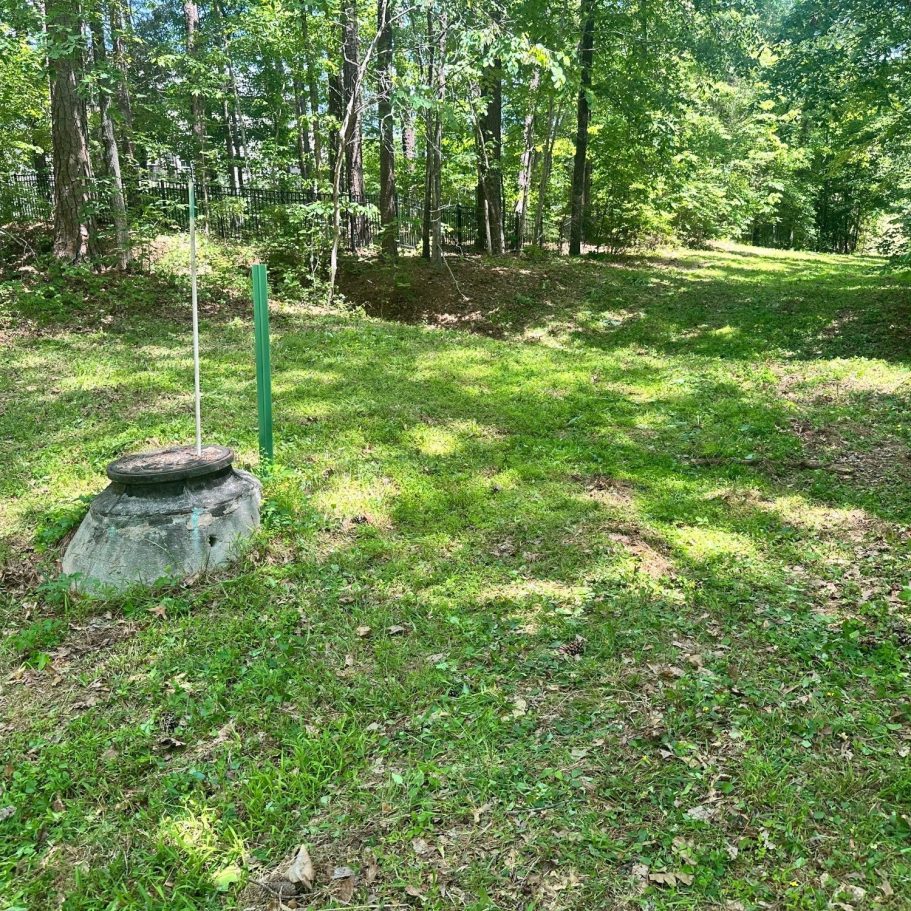
Easements and access corridors provide the designated pathways needed to reach stormwater structures, utilities, and drainage features. These areas must remain clear to allow safe entry for inspections, maintenance, and emergency response. Regular vegetation control and obstruction removal ensure that crews can access infrastructure when needed and keep the system functioning as designed.
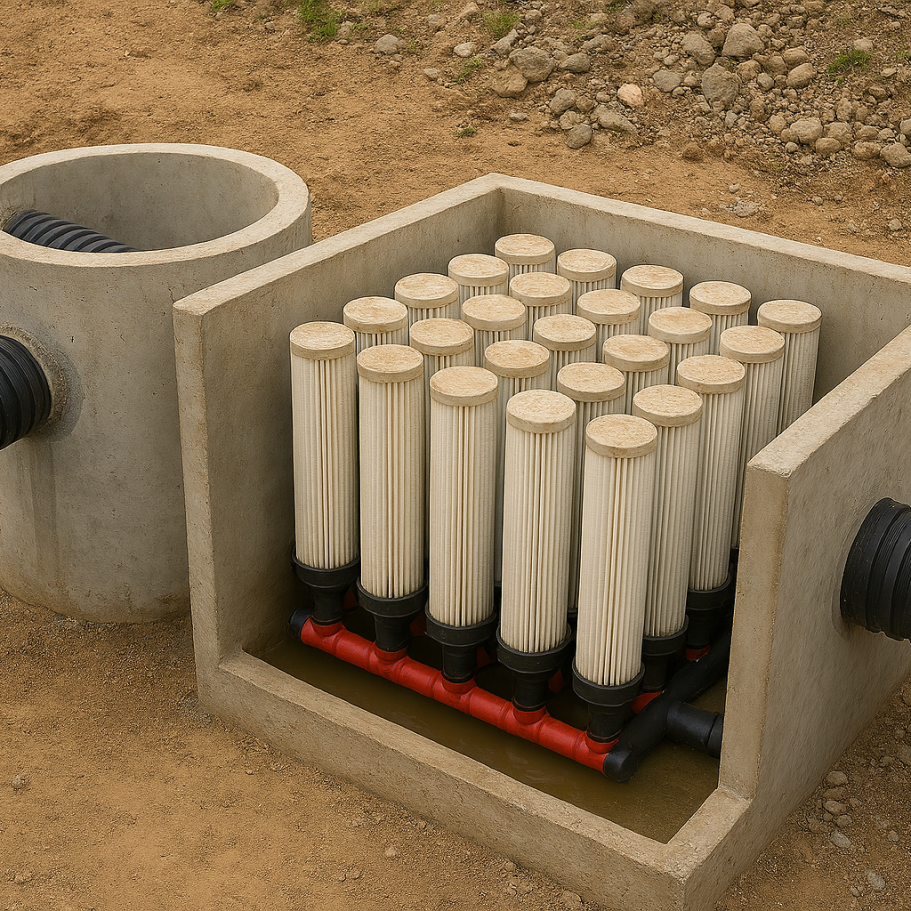
Proprietary treatment devices use engineered components to capture sediment, oils, trash, and other pollutants before stormwater enters downstream systems. These units require routine inspection and cleaning to maintain performance and meet regulatory standards. Proper maintenance ensures they continue providing effective water‑quality treatment and protecting receiving waterways.
Proper maintenance of stormwater systems is essential to the health of both the environment and the communities that rely on it. At Stormwater Operations Specialists, we emphasize that regular inspections and consistent upkeep provide meaningful, long‑term benefits that protect people, property, and natural resources.
Well‑maintained stormwater systems play a critical role in improving water quality. When these systems function as designed, they help prevent pollutants from entering local waterways, supporting healthier ecosystems and safeguarding drinking water sources. Clean, efficient infrastructure ensures that runoff is properly filtered before it reaches rivers, lakes, and groundwater.
Regular maintenance also significantly reduces the risk of flooding. By managing heavy rainfall effectively, stormwater systems can redirect excess water away from homes, businesses, and essential infrastructure. This proactive approach minimizes storm impacts, protects property, and helps communities feel safer and more resilient during severe weather events.
In addition, properly maintained stormwater systems can enhance property values. Effective drainage, healthy landscapes, and well‑kept stormwater features make properties more appealing to prospective buyers. Investing in maintenance not only preserves the functionality of these systems but also contributes to the overall appearance and long‑term value of neighborhoods.
In summary, consistent stormwater system maintenance leads to cleaner water, reduced flooding risks, and stronger property values. Partnering with Stormwater Operations Specialists ensures that your systems are inspected, maintained, and performing at their best—supporting a healthier environment and a more resilient community.
We need your consent to load the translations
We use a third-party service to translate the website content that may collect data about your activity. Please review the details in the privacy policy and accept the service to view the translations.